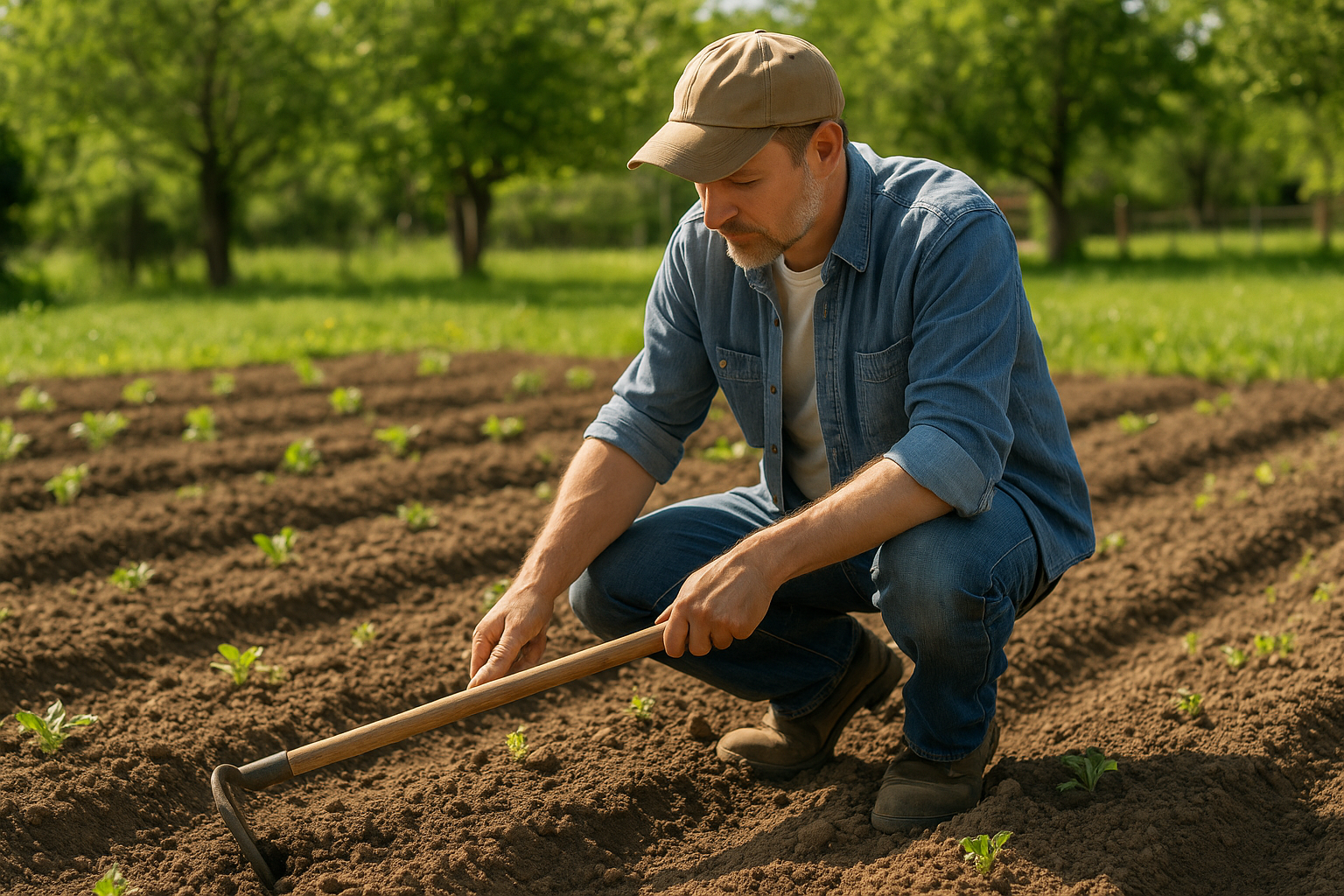
How to Start a Vegetable Garden the Easy Way: A Beginner’s Guide (Stress-Free and With a Smile)
Fed up with overpriced, tasteless tomatoes? Dreaming of pulling up your own carrots like in those organic soup commercials? Welcome to the wonderful world of the home vegetable garden.
Good news: you don’t need to be the grandchild of a farmer or own acres of land to get started. With a bit of sunshine, a few seeds, and a dash of good humor, you can turn a corner of your yard (or even a balcony) into a mini supermarket of fresh veggies. And no, you won’t need a tractor or a straw hat to succeed (though, let’s admit, both could add style points).
Picking the Perfect Spot
Sunlight, the Diva of the Garden
No sun, no tomatoes. That’s the golden rule. Most vegetables demand 6 to 8 hours of sunlight a day. Translation: if your patch is wedged between the shed and your neighbor’s hedge, don’t expect miracles. Look for the brightest spot, ideally facing south.
Quick tip: if you can’t decide between two spots, grab a coffee and sit for ten minutes. The sun will tell you faster than Google.
Soil: Not Glamorous, But Essential
We don’t talk about soil enough, but it’s doing all the heavy lifting. Think of good soil as a luxury spa for your plants. Try the squeeze test: grab a handful of damp earth.
- Sticks like modeling clay? Too much clay.
- Falls apart instantly? Too sandy.
- Holds together just enough? Jackpot.
Not perfect? Don’t panic. A little compost, manure, or potting mix, and suddenly you’ve upgraded your dirt into five-star soil.
Water, Wind, and Practicalities
A vegetable garden too far from the faucet is a garden destined for neglect. Choose a spot near a water source. Think about wind, too: veggies don’t like hang-gliding. A hedge, trellis, or even a few boards can serve as a windbreak.
Prepping the Ground Without Breaking Your Back
Spring Cleaning, Garden Edition
Before planting, you’ll need to deal with weeds. Three ways to do it:
- The athletic way: dig and pull them up. Great for the biceps.
- The zen way: lay down cardboard and wait a few weeks. Weeds give up on their own.
- The mixed way: a bit of both, depending on your mood.
Let the Soil Breathe
A broadfork (giant pitchfork-looking tool) is perfect for aerating the ground without flipping it upside down. Why does this matter? Because beneath your feet lives an entire workforce of worms, fungi, and bacteria, quietly feeding your plants for free. Respect them, and they’ll pay you back.
Feeding Time
Compost is the gardener’s best friend. Kitchen scraps in, happy veggies out. No compost bin yet? No worries—buy some or start one today. Consider it an investment in your garden’s future.
Planting and Planning Your Garden
Start Small (Seriously)
Don’t try to feed the entire neighborhood your first year. A 2 m² (20 sq. ft.) patch is plenty. And stick with beginner-friendly champions:
- Radishes: ready in 3 weeks. Great ego boost.
- Lettuce: foolproof.
- Zucchini: one plant can feed a family (and their neighbors).
- Cherry tomatoes: tasty and fun.
- Green beans: easy and productive.
Save melons, artichokes, and cabbages for later, when you’ve unlocked your gardener superhero cape.
The Good and the Bad Roommates
Some veggies are best friends: tomatoes + basil = dream team. Carrots + leeks? Perfect match. But tomatoes + potatoes? Like two divas sharing a dressing room—disaster.
Crop Rotation: Gardening Tetris
Rotating crops each year prevents disease and gives the soil a break. The simple rule: alternate “leaf,” “root,” “fruit,” and “legume” crops. Forget spreadsheets—a notebook or annual photo will do.
Easy-Peasy Garden Care
Watering: Not Too Much, Not Too Little
Water in the evening, calmly, without turning your patch into a public pool. Rule of thumb: water less often but more deeply. Always aim for the base of plants, not the leaves (unless you’re hosting a mushroom convention).
Mulching: The Lazy Gardener’s Secret
Mulch is like a cozy blanket for your veggies. It keeps soil moist, stops weeds, and prevents muddy splashes after rain. Use straw, dried grass clippings, leaves—whatever’s handy.
Observe and Chill
Your garden isn’t a factory—it’s a living system. Leaves turning yellow? Could be a nitrogen shortage. Aphids moved in? Don’t stress; ladybugs are on their way. Zucchini flowers but no fruits? You can help with a bit of DIY pollination (paintbrush or gentle finger).
Most importantly: enjoy it. Gardening isn’t just about producing food—it’s about relaxing, getting outside, and, yes, bragging to your neighbors when the first harvest comes in.
Conclusion
Starting a vegetable garden isn’t rocket science. You just need a sunny spot, some dirt (or a few containers), and the willingness to get your hands dirty. Start small, experiment, fail, try again… and celebrate every little win (your first radish will taste like victory).
So, ready to grab your gloves (or go bare-handed, if you’re bold)? Your garden is waiting. Who knows—by summer, you might be the one proudly handing out zucchini to the whole block.