Common Citrus Diseases: How to Beat Chlorosis, Scale Insects, and Sooty Mold Without Chemicals
A lemon tree in bloom, an orange tree heavy with fruit, a terrace filled with fragrance… that’s the dream image of the perfect citrus. But sometimes reality is less glamorous: yellowing leaves, sticky branches, or an ugly black coating that makes your foliage look like a chalkboard. Don’t panic—chlorosis, scale insects, and sooty mold are frequent visitors, but they don’t spell the end of your little Mediterranean corner. The good news? There are natural, accessible, and highly effective solutions to get your trees back on track. With the right care, your citrus won’t be blushing about their health—except, of course, for the fruit.
Chlorosis: When Leaves Turn Lemon-Yellow
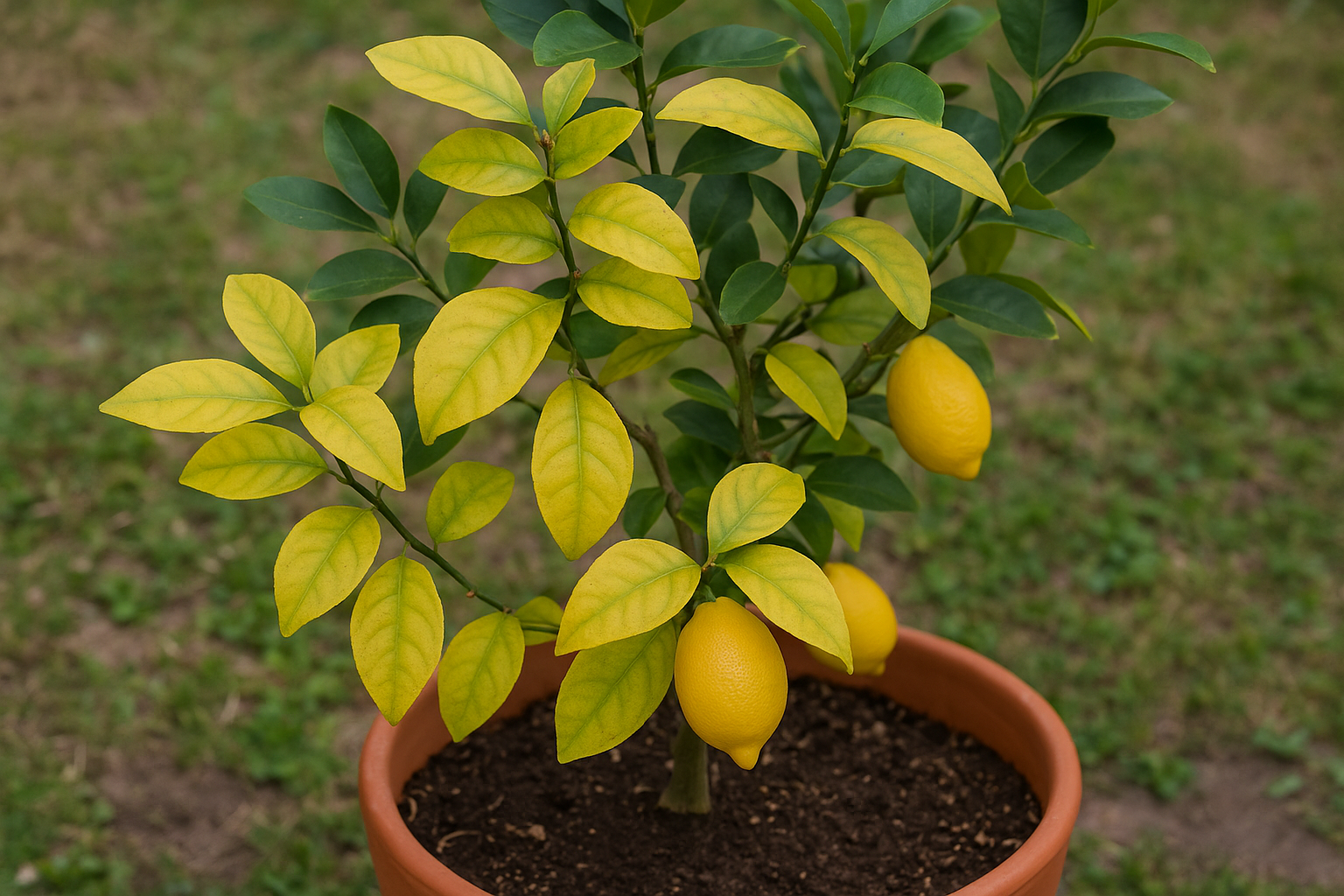
Chlorosis is like your citrus trees having the blues. Instead of rich green leaves, they fade to yellow, leaving the whole plant looking unwell. And once leaves stop producing chlorophyll properly, photosynthesis falters—and so does growth.
Spotting Chlorosis (Clear Symptoms)
The telltale sign? Leaves turn yellow while the veins stay green. That contrast is highly characteristic. Chlorosis may affect just a few young leaves or spread across the whole tree if left unchecked. The result: slower growth, undersized fruit, and sometimes premature leaf drop.
Why Citrus Turn Pale
The most common culprit is iron deficiency, especially in chalky or compacted soils. The iron is there, but roots can’t absorb it. Other suspects: waterlogging that suffocates roots, or magnesium deficiency. In short, your citrus aren’t starving—they just can’t digest properly.
Natural Remedies: Compost, Natural Chelates, Smart Mulching
Luckily, you can fix this without chemicals:
- Add well-rotted compost to improve soil structure and mineral uptake.
- Use natural amendments such as iron sulfate or powdered lithothamnion (sparingly) in highly calcareous soils.
- Choose natural iron chelates (like EDDHA), diluted in water and applied to the soil for quick symptom relief.
- Mulch generously with organic matter (dead leaves, straw, dried grass clippings) to keep moisture in and boost microbial life—your allies for nutrient release.
Gardener’s tip: avoid watering with very hard (chalky) water. Rainwater is ideal—your citrus will reward you with lush green leaves.
Scale Insects: The Unwanted Squatters
Ah, scale insects—tiny vampires in waxy or cottony armor. They settle on leaves, stems, even fruit, and siphon off sap. A heavy infestation can seriously weaken your trees. Worse, they secrete sugary honeydew that invites another issue: sooty mold. A double whammy.
How to Recognize These Well-Hidden Pests
Scales come in different forms: flat, brown, or fluffy white. They typically hide on the undersides of leaves or along veins. Colonies may look like little bumps or cottony patches in the case of mealybugs. Sticky leaves and sugary droplets are clear signs they’ve moved in.
The Damage They Cause (and Why Citrus Are Targets)
By sucking sap, scales slowly exhaust the tree. Leaves yellow and curl, growth slows, and fruits become fewer and less juicy. They thrive in warm, dry environments, which is why they’re especially common in greenhouses or conservatories.
Gentle Solutions: Soap, Neem Oil, Ladybugs
No need for chemicals to evict them:
- Spray with black soap (5 tablespoons per liter of warm water): simple, effective, and bee-friendly.
- Neem oil or plant-based white oils: they smother the insects and block respiration.
- Natural predators like ladybugs, lacewings, and coccid-eating larvae feast on scale. If they’re present in your garden, let them do the work.
- For light infestations: dab individual insects with a cotton swab dipped in 70% alcohol. Slow but effective.
Tip: keep foliage well-aerated. Dense canopies are an open invitation for scale colonies.
Sooty Mold: That Black Coating on Leaves
Sooty mold isn’t really a disease—it’s an opportunistic fungus. It feeds on the sugary honeydew secreted by scale insects, aphids, or whiteflies. The result: a black, sooty coating on leaves, branches, even fruit, as if someone had painted them with charcoal.
Why It Often Follows Scale and Aphids
Sooty mold needs sugar to grow, and honeydew provides it in abundance. That’s why it almost always follows an insect infestation. Until you deal with the source, the mold will keep coming back.
Effects on Photosynthesis and Tree Health
A few blackened leaves aren’t disastrous. But when large areas are coated, photosynthesis grinds to a halt. The tree struggles to breathe, weakens, and produces fewer fruits. Over time, vitality suffers.
Cleaning and Preventing Without Chemicals
The good news? Sooty mold looks worse than it is.
- Manual cleaning: wipe leaves with a damp cloth or soft sponge.
- Lightly soapy water sprays: help wash off the coating and discourage regrowth.
- Horsetail decoction: rich in silica, it strengthens natural defenses against fungi.
- Prevention: control scale or aphids early—the real culprits. Regular pruning for airflow also helps keep mold at bay.
Conclusion
Your citrus trees don’t have to suffer silently from chlorosis, scale, or sooty mold. These issues are part of a gardener’s everyday life, but with simple natural remedies, you can keep them under control without resorting to chemicals. A bit of compost for the soil, a black soap spray for the intruders, a damp cloth for the leaves—and above all, steady observation—are the keys to healthy trees.
In the end, your lemon, orange, and mandarin trees just need a little care and kindness. Treat them naturally, and they’ll repay you many times over with sun-kissed fruit. Enough to forget the small horticultural hiccups—and raise a glass of homemade lemonade with a smile! 🍋