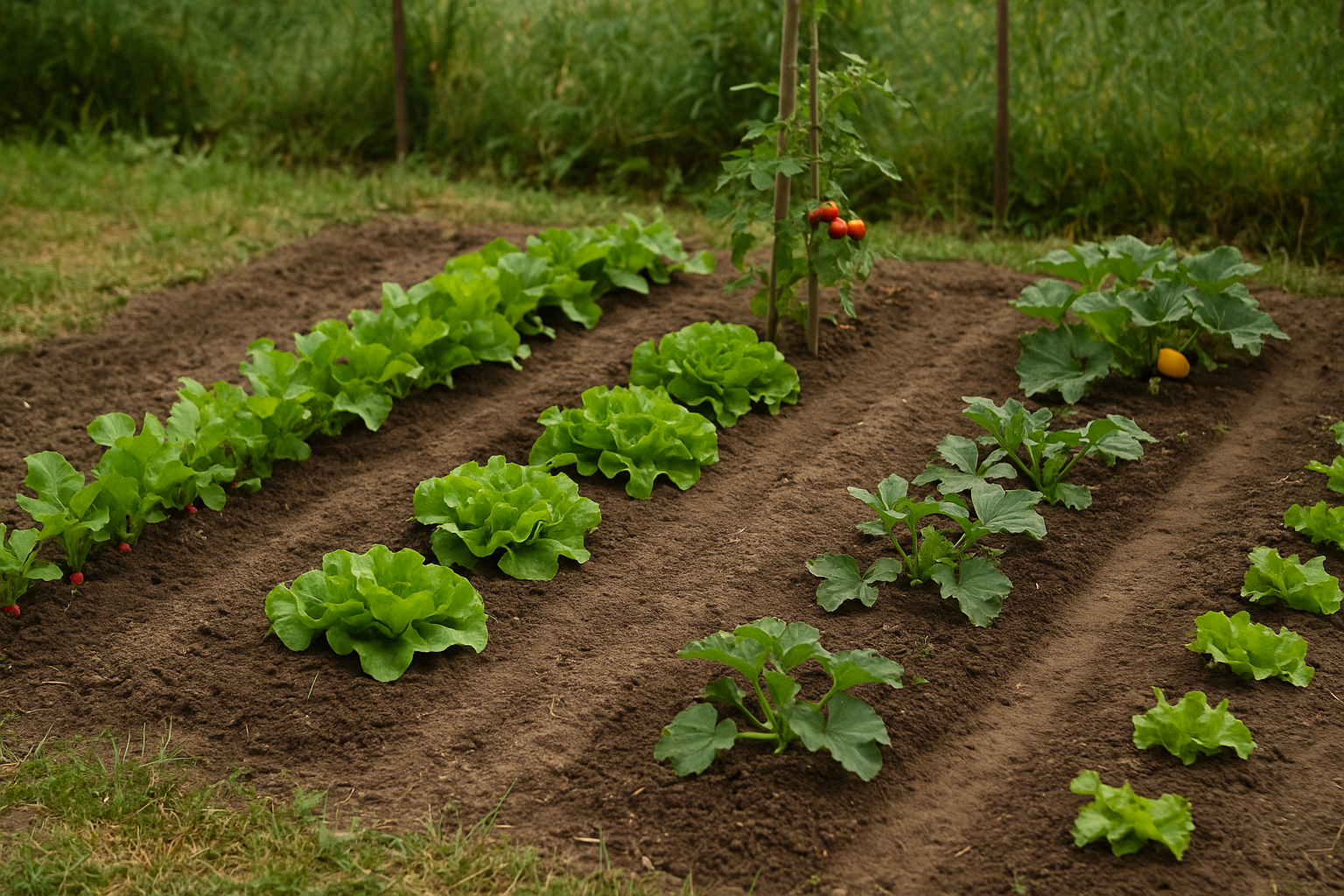
10 foolproof vegetables to start your vegetable garden without worrying
Dreaming of a vegetable garden overflowing with fresh produce, but the thought of “messing up your seedlings” already makes you break into a sweat? Relax: gardening isn’t just for experts who whisper to their tomatoes under the full moon. Starting gently with easy-to-grow veggies is the best recipe for building confidence, learning the basics, and—most importantly—harvesting your first successes with a smile.
Here’s a list of 10 foolproof vegetables to get started without stress. No fancy tools or botany degree required: just a bit of soil, a handful of seeds, and a good dose of curiosity.
Quick-Learning Vegetables
Radishes: Perfect for the impatient
If patience isn’t your strong suit, radishes are your best ally. They’re the sprinters of the garden—just 3 to 4 weeks from sowing to harvest. Perfect for kids (and grown-ups who hate waiting), radishes practically grow themselves.
- Sowing period: March to September
- Pro tip: sow every 2–3 weeks for a steady supply.
- Bonus: they’ll even thrive in a balcony planter.
Lettuce: Harvest-ready, again and again
Lettuce, romaine, batavia, mesclun… they adapt to almost any space and provide generous, ongoing harvests. You can pick them leaf by leaf, which means the same plant keeps giving for weeks.
- Sowing period: almost year-round, depending on the variety (under cover in winter, outdoors in spring).
- Pro tip: mulch to keep the soil moist—lettuce loves cool “feet.”
- Bonus: forget one in the garden? No drama, it won’t hold a grudge.
The Tried-and-True Classics
Cherry tomatoes: A beginner’s best friend
Tomatoes can be a little fussy, but the cherry tomato is much more forgiving. Hardy, prolific, and delicious, it thrives both in the garden and in balcony pots.
- Sowing period: February to April under cover, plant out in May after the last frost.
- Pro tip: give them sun and a stake, and they’ll do the rest.
- Little joy: snack on them straight from the vine, like nature’s candy.
Zucchini: Prolific and easy
Zucchini is one of the most generous vegetables you can grow. A single plant can churn out dozens of fruits in just a few weeks. Translation: your neighbors will probably end up with some too.
- Sowing period: April under cover, May outdoors.
- Pro tip: they like to spread out, so give them space.
- Lesson learned: don’t plant ten unless you’re opening a cannery.
Green beans: Simple and tasty
Green beans are as easy as they are rewarding. They grow quickly, require little care, and even enrich the soil with nitrogen.
- Sowing period: May to July, directly in the ground.
- Pro tip: sow every 3 weeks for staggered harvests.
- Options: bush beans (compact) or pole beans (more productive).
Sturdy and Satisfying Vegetables
Potatoes: Productive and versatile
Potatoes are beginner-friendly superstars. Plant a tuber, wait a few months, and dig up a satisfying bounty. They forgive neglect and don’t ask for much.
- Planting period: March–April
- Pro tip: mound soil around the stems (“earth up”) to prevent tubers from turning green.
- Bonus: harvesting feels like digging up buried treasure.
Beets: Sweet and colorful
Beets are the artists of the veggie patch. Easy to grow, they add color and sweetness to your plate—and store beautifully, whether in the cellar or in jars.
- Sowing period: April to June outdoors.
- Pro tip: thin seedlings to give them room to grow.
- Extra: beet greens are edible too—delicious in salads or cooked like spinach.
Carrots: Reliable and essential
Carrots are a safe bet. Even if they grow a little wonky, they’re still delicious. Plus, they keep well—always a bonus.
- Sowing period: March to July outdoors.
- Pro tip: sow thinly and thin out the seedlings; overcrowded carrots stay tiny.
- Caveat: they need loose soil, otherwise you’ll end up with twisted carrots (funny-looking but a pain to peel).
Onions and shallots: The quiet allies
Low-maintenance and undemanding, onions and shallots quietly grow without much fuss—perfect for beginners who like “zero-drama” crops.
- Planting period: February–March for onions, March–April for shallots.
- Pro tip: start with sets (small bulbs) instead of seeds—they’re much easier.
- Advantage: long storage life, plus they make every dish taste better.
Spinach: Fast, easy, and versatile
Spinach is the sprinter of leafy greens. It grows quickly, loves cool weather, and yields tender leaves perfect for salads, sautés, or sneaky kid-friendly quiches.
- Sowing period: February to April, then August to October.
- Growing needs: partial shade or mild sun, moist and fertile soil.
- Pro tip: sow closely in rows and harvest often to encourage regrowth.
- Bonus: a light mulch helps keep the soil moist, which spinach loves.
Conclusion
Starting a vegetable garden is simple when you pick the right crops. Radishes for speed, lettuce for freshness, cherry tomatoes for snacking, zucchini for abundance… plus sturdy staples like potatoes, carrots, and spinach to anchor it all.
With this top 10, you’ll have a garden that’s easy, varied, and rewarding. Each harvest boosts your confidence, and soon you’ll be itching to experiment with new crops.
So go ahead, dig in! And if your neighbors grumble about zucchini overload, slip them some radishes or a bunch of spinach—it’s the perfect peace offering. 🌱🥕🍅