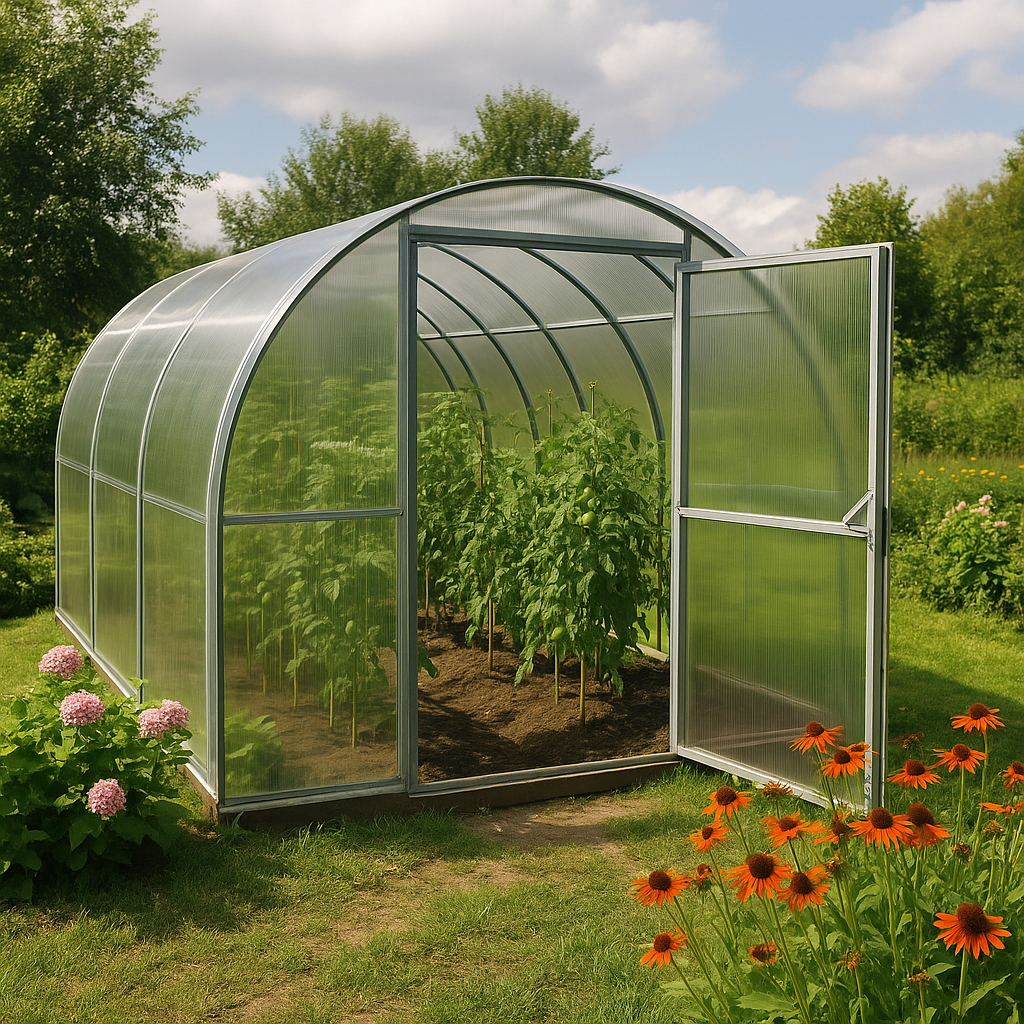
Why install a greenhouse in your garden? Advantages, limitations, and practical advice
Be honest—you’ve thought about owning a greenhouse, haven’t you? It looms large in every gardener’s imagination, the holy grail of homegrown abundance. You picture plump tomatoes ripening in November, sipping coffee in the warmth while plants thrive around you as if by magic… Like a spa for vegetables—except instead of eucalyptus and fluffy robes, you get mulch and the smell of damp earth.
But behind that lush dream lies reality: a greenhouse is practical, effective, and incredibly rewarding… but it comes with its share of quirks. So, why set one up in your garden? What are the true benefits—and the little drawbacks you’ll want to know before snapping up the first bargain model you find online? Settle in (bonus points if you’re sitting outside in your garden already), and let’s break it down together.
The Perks of Having a Greenhouse
Extending your growing season
The greenhouse’s first superpower? It stretches your gardening season. No more frustration watching seedlings shiver outdoors in April or tomatoes keel over in October. Thanks to the greenhouse effect, you can start sowing earlier and keep harvesting later.
Think of it as giving your tender veggies a warm winter coat. Tomatoes, eggplants, peppers—heat lovers all—will reward you for it. And let’s be honest, plucking tomatoes in November while your neighbors are pulling up dead plants feels pretty satisfying… almost smug.
A shield against fickle weather
Wind that topples supports, pounding rain that turns your lettuce patch into soup, hailstones that shred leaves like Swiss cheese… outdoors, veggies live rough lives. A greenhouse offers them shelter. It softens extremes, traps warmth, and shields against those sneaky late frosts that always arrive the day after you’ve planted everything out.
Bonus: it also keeps some pests at bay. No more birds digging up young plants, no more rain splashing soil onto tomatoes and triggering blight. (Okay, slugs will still sneak in, but at least the battlefield is contained.)
More crops, new possibilities
With a greenhouse, you can try crops you’d rarely get away with in a temperate garden. Chili peppers, melons, cucumbers, basil (which hates chilly nights)—all thrive in their protected haven. You might even experiment with exotic varieties just for fun.
And the yields? Often spectacular. The stable climate helps crops grow faster, stronger, and more abundantly. Translation: more diversity, more quantity, and more deliciousness on your plate.
The Downsides and Limitations
Before you rush online to order a 20 m² greenhouse, take a breath. Yes, they’re fantastic—but they’re not perfect.
The cost factor
Let’s be real: a quality greenhouse isn’t cheap. Between the frame (aluminum, wood, steel), panels (glass, polycarbonate, plastic), vents, and sometimes even foundations, the price adds up quickly. Sure, budget-friendly polytunnels exist, but they don’t last nearly as long as a glass greenhouse.
Bottom line: treat it as a long-term investment and it’s worth it. Expect miracles from a bargain-bin model, and you’ll be patching covers and frames more often than you’d like.
Heat: blessing or curse?
Greenhouses shine in spring and autumn. But in midsummer? They can turn into ovens. Without proper ventilation, temperatures can easily soar past 40°C (104°F) by noon. Even the toughest plants didn’t sign up for a Sahara vacation.
The solution? Ventilation, shading, and a bit of DIY ingenuity—shade cloths, nets, strategic openings. Skip this, and say goodbye to lush tomatoes and hello to literally grilled salad.
Humidity and disease
Heat plus humidity equals fungal paradise. Without careful airflow, your greenhouse can become ground zero for blight and powdery mildew. That means extra vigilance: regular venting, careful watering, and a balance between warmth and moisture.
In short, a greenhouse isn’t a magic bubble that solves every problem—it simply changes the kind of attention your garden needs.
Maintenance: not just for the plants
Clean the panes for maximum light, check the seals, repair storm damage… greenhouses need care too. Nothing overwhelming, but worth keeping in mind before you commit.
Choosing and Using Your Greenhouse Wisely
Ready to take the plunge? Great—but strategy first. Greenhouses aren’t one-size-fits-all.
Materials and types
- Glass greenhouse: sleek, long-lasting, excellent light transmission. Fragile and pricey, though.
- Polycarbonate greenhouse: lightweight, good insulation, sturdier than glass. But it can yellow over time.
- Plastic tunnel: budget-friendly, easy to install. Perfect for beginners, but shorter lifespan and, let’s face it, not the prettiest addition to your yard.
Orientation and placement
South or southeast-facing is ideal to catch maximum light. Avoid shaded spots—it defeats the purpose. Place it on stable, accessible ground and near a water source. Believe me, hauling ten watering cans back and forth gets old fast.
Best practices for everyday use
- Ventilate often—this is the secret to avoiding heat stress and disease.
- Shade in summer—with cloth, nets, or even a special whitewash paint.
- Don’t forget pollination—let insects in or hand-pollinate crops like tomatoes, eggplants, and courgettes.
- Maximize space—with shelves, hanging baskets, and crop rotation. Think of your greenhouse like a tiny studio apartment: every square meter matters.
Conclusion
Installing a greenhouse is a bit like inviting nature over for dinner—except you get to influence the menu. It gives you more autonomy, more crop variety, and the joy of gardening year-round. But it also comes with strings attached: upfront costs, maintenance, and careful management of heat and humidity.
So, is it worth it? Absolutely—if you love gardening passionately and dream of extending your harvests season after season. Not so much if you’re hoping for a magic wand that does all the work for you (sorry, still doesn’t exist).
In short, a greenhouse is a powerful but demanding ally. The question is: are you ready for the challenge?