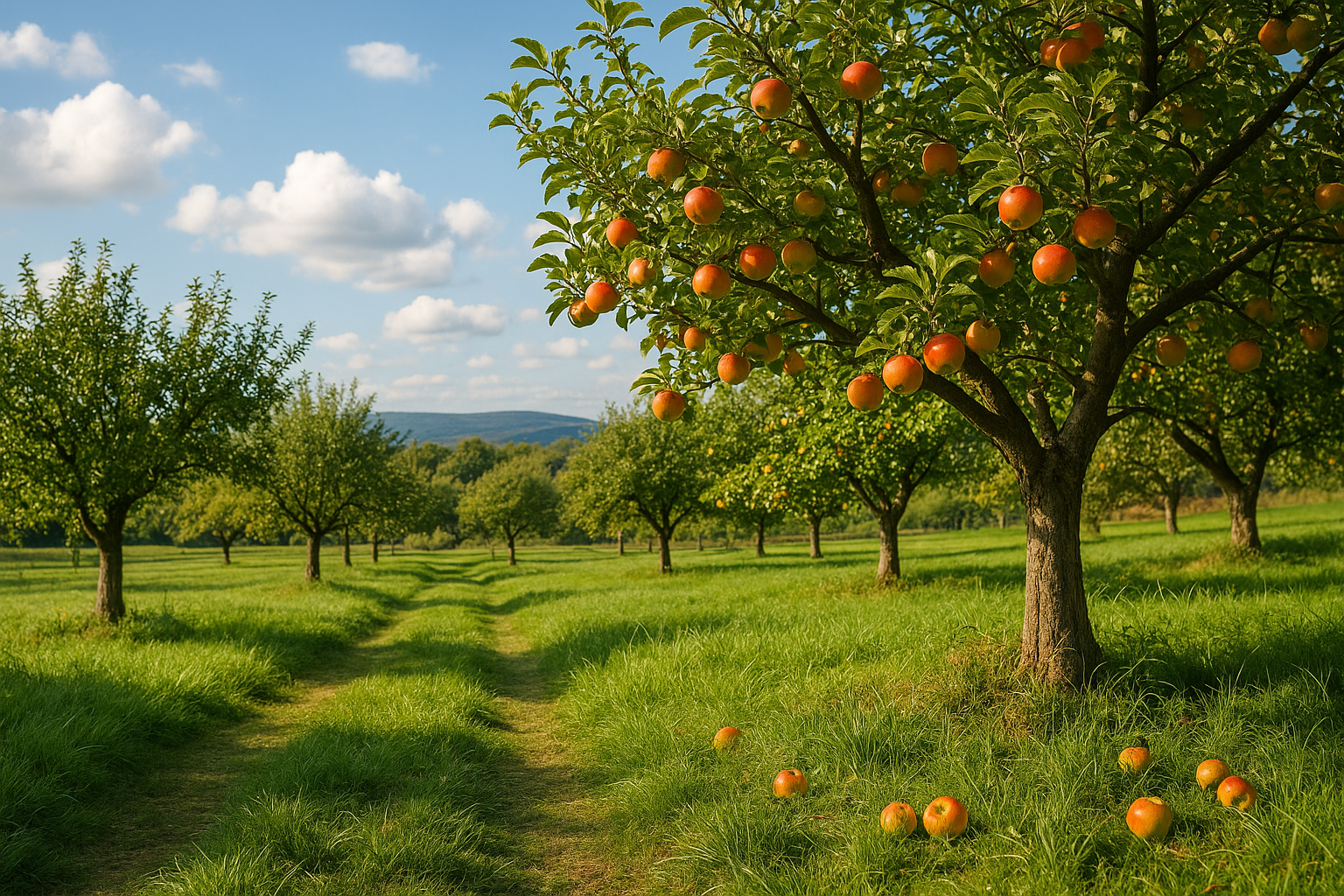
How to Choose a Fruit Tree Suited to Your Garden and Climate
Planting a fruit tree is a bit like choosing a roommate: it has to match the space, the vibe, and the climate of the house. Because between an olive tree dreaming of blazing sunshine and an apple tree that thrives on frosty winters, it’s easy to make casting mistakes.
And believe me, there’s nothing more frustrating than planting a lemon tree in northern France and wondering three winters later why it looks like a tired twig. To avoid those disappointments, let’s walk through the key factors to help you welcome the right fruit tree into your garden.
Key Factors to Consider Before Planting
Space Available and Tree Size
A majestic walnut or a full-grown cherry tree sounds dreamy… until you realize it takes up half your yard (and casts shade over your mother-in-law’s vegetable patch).
👉 If space is limited, think smart: go for dwarf, espaliered, or columnar varieties that grow straight and compact. Yes, you can have an apple tree on a balcony without turning the whole block into an enchanted forest.
Soil Type (Drainage, Fertility, pH)
Every fruit tree has its quirks:
- Citrus: “Give me rich, well-drained soil, or I’ll sulk.”
- Fig tree: “I’ll tolerate poor soils, but don’t drown my roots.”
- Apple tree: “Throw in a bit of clay and I’m happy.”
👉 Pro tip: test your soil pH before buying. Some trees (like blueberries) demand acidic soil—otherwise, no fruit.
Sun Exposure
The sweeter the fruit, the more it loves the sun. It’s that simple.
- Apricots and citrus: full southern exposure required.
- Apples and pears: less fussy, just need a well-exposed spot.
- Berries: some can even handle partial shade (great news if your garden isn’t the French Riviera).
Matching Your Fruit Tree to Your Climate
Trees for Warm and Mediterranean Climates
In the South, you’re spoiled for choice with “exotic” fruit trees:
- The olive tree, the timeless symbol of Provence.
- The fig tree, generous and easygoing (a true friend).
- Citrus trees, perfect but frost-sensitive (cover them in winter).
- The pomegranate, which loves heat and dry soil.
👉 Watch out for strong winds: better to shelter young trees than see them bend like reluctant yoga students.
Trees for Cold Winters
If snow, frost, and freezing temperatures are your reality, don’t worry—some fruit trees love it:
- Apples and pears: the classics, tough as nails.
- Plums: hardy, productive, and low-maintenance.
- Blackcurrants and redcurrants: cold-loving champions, ideal for homemade jams.
👉 Peach trees can work too—just pick hardy varieties, or they’ll sulk at the first frost.
Trees for Temperate or Oceanic Climates
If you live somewhere mild, damp, and unpredictable, you still have plenty of options:
- Cherries: but beware of late frosts spoiling the harvest.
- Peaches: as long as summer gets warm enough to sweeten them.
- Hazelnuts: tough and tasty (with squirrels included in the deal).
- Apples and pears: always reliable, always productive.
👉 Humidity encourages diseases like mildew and scab. Go for resistant varieties—your back will thank you.
Choosing Based on Your Needs and Care Level
Self-Fertile or Cross-Pollinating
This detail can change everything: some trees manage alone, others need a buddy nearby.
- Self-fertile: figs, peaches, apricots.
- Cross-pollinating: apples, pears (no partner, no fruit).
👉 Imagine planting a lone pear tree and waiting years… for nothing. That’s like inviting someone to dinner and forgetting dessert.
Maintenance, Pruning, and Disease Sensitivity
Not all fruit trees require the same level of care:
- Fig and hazelnut: nearly autonomous, perfect for beginners.
- Apple and pear: need annual pruning.
- Peach: prone to leaf curl, so you’ll need to keep an eye on it.
👉 If you prefer “zen” gardening, stick with hardy fruit trees. If you’re up for pruning duties, try the more demanding ones.
Expected Harvest and Uses
Finally, ask yourself what you want from your harvest:
- Eating fresh (peaches, cherries).
- Making jam for winter (plums, currants).
- Long-term storage (apples, pears).
- Producing oil or juice (olives, pomegranates).
👉 A fruit tree is a long-term investment. Choose the one that matches your cravings—and your appetite.
Conclusion
Choosing a fruit tree isn’t a lottery. It’s a careful balance of logic (soil, climate, sun) and taste. Take the time to think before you plant, and you’ll avoid turning your garden into a graveyard of unhappy trees.
In short:
- Check your constraints (space, soil, sunlight).
- Choose a tree suited to your climate (South, North, Oceanic).
- Consider pollination, maintenance, and how you’ll use the harvest.
And remember: a fruit plucked straight from your own tree is nothing like one bought at the supermarket. It takes patience and planning… but the day you bite into YOUR first apple or peach, it’s pure joy 🍎🍑.