How to Raise Muscovy Ducks: A Beginner’s Guide
Tired of chickens clucking at the crack of dawn? Maybe it’s time to switch to Muscovy ducks. Quieter, hardier, and with a strut worthy of a parade general, these waterfowl are well worth your attention.
In this guide, I’ll walk you through everything you need to know to get started. We’ll talk about cozy shelters, balanced diets (yes—even ducks care about that!), and how to care for ducklings. Think of it as a real manual, but explained simply, without unnecessary jargon.
Getting to Know the Muscovy Duck
Origins and Characteristics
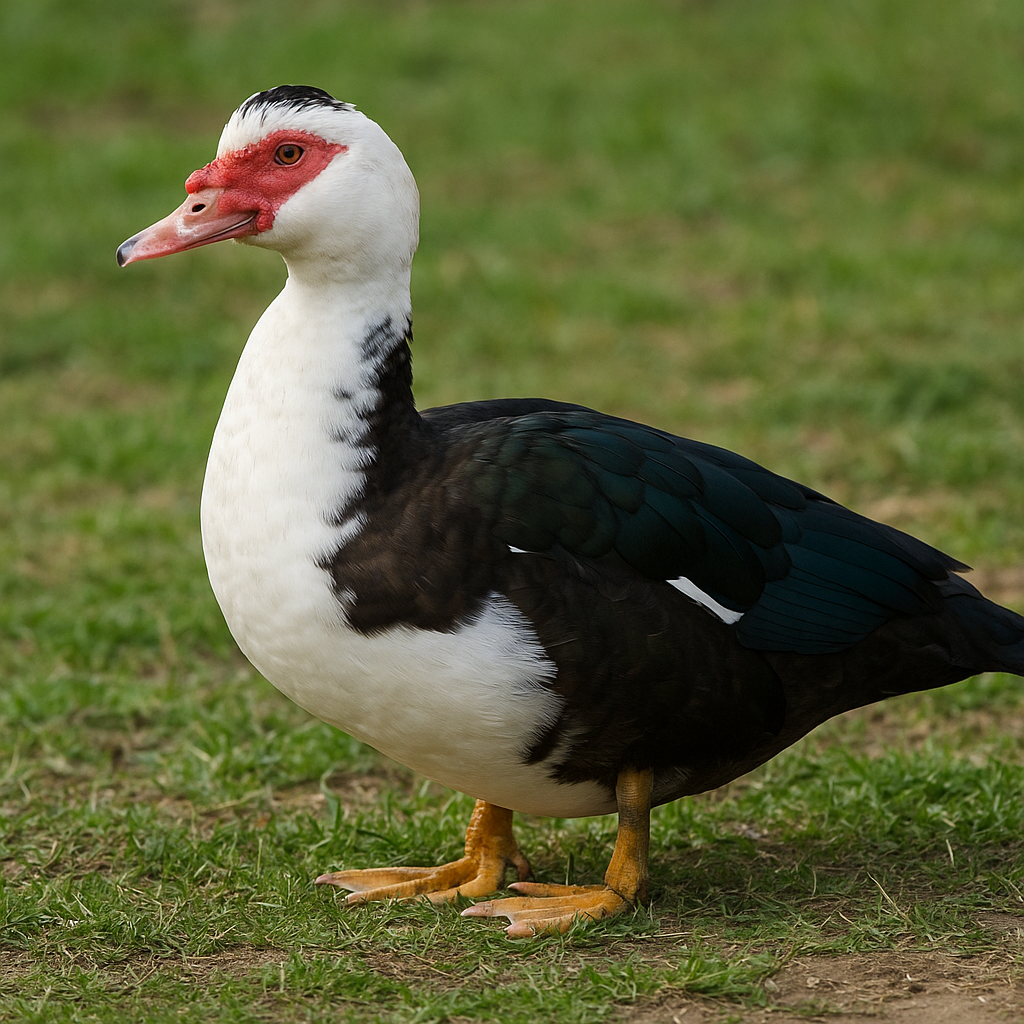
Native to South America, the Muscovy duck—also known as the Barbary duck—has been a barnyard favorite for centuries. It has a distinctive feature: the bright red caruncle around its beak, giving it a rather… aristocratic look.
This is a hardy bird, adaptable to a wide range of climates, with a lifespan of 8 to 12 years. In other words, bringing one home means committing to a long friendship—and perhaps a few hearty meals, if you also raise them for meat.
Differences from Other Domestic Ducks
So, why choose Muscovies over other breeds?
- The meat: leaner and more flavorful than that of many other ducks—perfect for food lovers.
- The flight: surprise! Unlike most domestic ducks, Muscovies retain strong flying skills. If you don’t want yours setting up camp at the neighbor’s, it’s best to clip one wing—just slightly, nothing cruel.
- The temperament: calm, discreet, and far less noisy than most ducks. In short, you won’t be woken at 5 a.m.—and that’s priceless.
Setting Up Your Duck Habitat
Shelter and Space Requirements
Before welcoming your new flock, you’ll need to prepare their home. It’s not complicated, but a few rules matter:
- A secure nighttime shelter filled with cozy straw.
- A protected floor (concrete or raised) to keep predators like foxes at bay.
- Plenty of outdoor space—about 10 m² per duck so they can live like royalty.
Pro tip: give them a shady spot. Muscovies love lounging in cool areas, just like us in the heat of August.
Water, Ponds, and Hygiene
Good news: contrary to popular belief, Muscovies don’t spend their entire lives in the water. They enjoy bathing, but a simple tub is enough for daily grooming. Of course, if you can offer them a pond, they’ll be even happier (and you’ll enjoy the show).
Pro tip: keep the water clean. Ducks love to splash, but they can turn clear water into a murky soup in no time.
Feeding Muscovy Ducks
Good news (again): they’re not picky eaters! Vegetable scraps, grass, grains—they’ll eat just about anything. But to start off right, it’s best to provide proper duck feed.
Quick tip: lightly moisten their food. With their spatula-shaped beaks, it’s easier for them to grab, and they love it.
Raising and Growing Your Flock
Breeding
From around six months, your duck is ready to become a proud parent. And nature helps you out: females are excellent brooders.
- Ideal ratio: 1 male for every 3 to 6 females (any more and the drake may wear himself out).
- Incubation: 35 days, a bit longer than most ducks. Patience pays off.
- Laying season: January to October, producing clutches of 10 to 20 eggs. Enough to build a flock quickly.
Raising Ducklings
Muscovy ducklings are adorable—but fragile at first.
- Protection: keep them warm and safe during the first weeks.
- Heat: a heat lamp will provide a snug nest.
- Gradual outdoor time: wait about 5 weeks before letting them explore outdoors during the day.
- Water: avoid deep ponds early on—they don’t yet have the fat layer needed to stay warm.
With patience, they’ll grow into sturdy, independent ducks.
Caring for Adult Ducks
As adults, Muscovies are low-maintenance: rarely sick, easy to feed, and long-lived with little fuss.
Just two things to remember:
- Deworm them regularly (as you would other animals).
- Offer greens and the occasional vitamins to keep them in top shape.
Conclusion
Raising Muscovy ducks is simple, rewarding, and full of surprises. They don’t ask for much, yet in return, they bring life to your garden, a bit of entertainment, and sometimes a delicious meal.
So—ready to get started? With a shelter, a water source, some greenery, and a bit of care, you’ll soon have a thriving flock. And who knows… your friends might start dropping by more often to “check in” on your ducks (or perhaps your dinner table!).