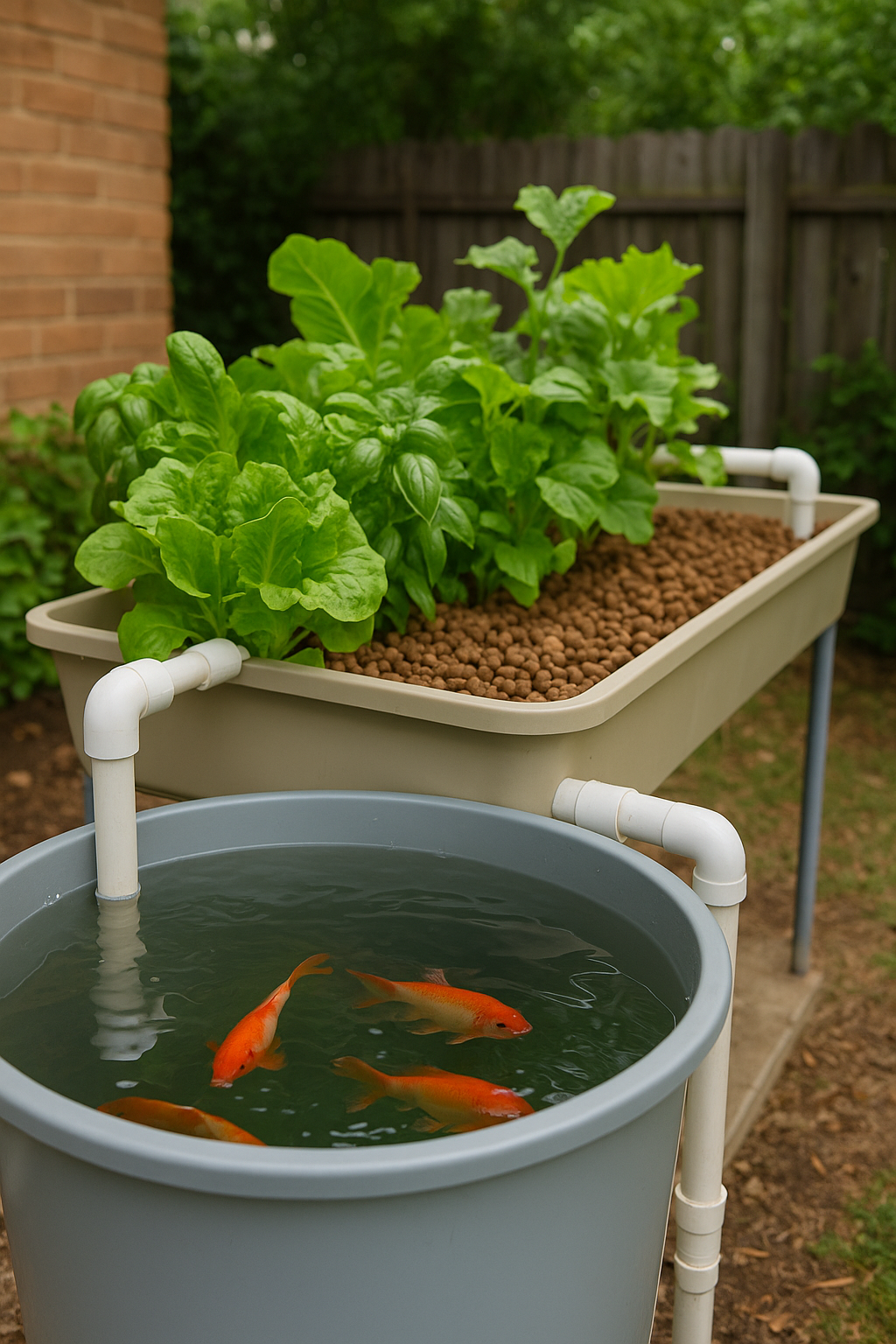
What Is Aquaponics? Definition and Basic Principles
What if your fish started gardening for you? Don’t worry—you don’t need to teach them how to use a spade. All they need to do is… pee. Yes, you read that right! In aquaponics, fish waste becomes natural fertilizer for plants, and in return, the plants clean the water for the fish. The result? Everyone’s happy—even you.
That’s aquaponics: an ingenious, eco-friendly system that’s downright impressive once you see it in action. So, how does it work? What are its principles? And why is everyone talking about it? Let’s dive in—no complicated jargon, promise.
Defining Aquaponics
Origins and Evolution
No, aquaponics wasn’t invented by a salad-loving geek. In fact, ancient civilizations like the Aztecs and some Asian farmers were already using similar systems centuries ago. Modern technology has simply revived the concept—with a few pumps and filters added.
A Mix of Aquaculture and Hydroponics
To understand it, break down the word:
- Aqua from aquaculture (raising fish),
- Ponics from hydroponics (growing plants without soil).
Put them together and you get aquaponics: the perfect partnership where fish produce nutrient-rich waste, and plants feast on it while filtering the water. A true virtuous cycle, straight out of an applied ecology handbook.
How an Aquaponic System Works
The Role of Fish
Fish are the “invisible workers” of the system. They eat, digest, and produce waste. Not glamorous, but essential. Their waste contains ammonia—harmful in high concentrations, but in aquaponics it’s gold, transformed into natural fertilizer.
Depending on your goals, you can raise edible species (tilapia, trout, carp) or decorative ones (goldfish, koi).
The Role of Bacteria
Bacteria are the tiny chemists of the system. They convert ammonia into nitrites, then into nitrates. Nitrites are toxic, but nitrates are a valuable resource for plants. Without bacteria, there’s no magic and no balance. You can’t see them, but they hold the system together.
The Role of Plants
Plants are both the filter and the beneficiaries. They absorb nitrates, thrive on them, and in doing so, purify the water. Lettuce, tomatoes, basil, cucumbers, strawberries—most crops love this nutrient-rich cocktail. Bonus: they grow faster, healthier, and pesticide-free.
Key Principles to Know
The Nitrogen Cycle
Here’s aquaponics in a nutshell:
- Fish: “We eat, we make waste.”
- Bacteria: “We recycle ammonia into nitrates.”
- Plants: “Thanks for the fertilizer—we grow!”
- Purified water: “Back to the fish tank.”
A natural, efficient cycle that repeats indefinitely—as long as everyone stays healthy.
Balance Between Fish, Bacteria, and Plants
Think of aquaponics like shared housing: if the balance is off, chaos follows. Too many fish, and the water gets polluted. Too many plants, and they starve. Not enough bacteria, and the whole system collapses.
The secret lies in the right ratio of all three. Not too much, not too little—just the perfect balance.
Benefits and Drawbacks
The perks:
- Saves up to 90% more water than traditional gardening.
- Produces both vegetables and fish (double win).
- Requires little to no fertilizer or pesticides.
The limitations:
- Upfront investment in tanks, pumps, and filters.
- Startup takes time—bacteria don’t establish overnight.
- Dependent on electricity for pumps and aeration.
But honestly, watching your fish feed your tomatoes? Priceless.
Conclusion
Aquaponics is the art of making fish, plants, and bacteria work together in a virtuous cycle. Nothing goes to waste, everything is transformed. Fish provide nutrients, bacteria convert them, plants absorb them and clean the water… and the cycle starts again.
On top of that, you get two harvests in one: fresh vegetables and fish (if you choose edible species). All with far less water and no chemical inputs.
In short: if you’re looking for a sustainable, eco-friendly, and slightly magical way to grow your own food, aquaponics is worth your attention. And who knows—maybe one day you’ll proudly serve a crisp salad to your friends with the line: “Grown by fish!” 🐟🌱