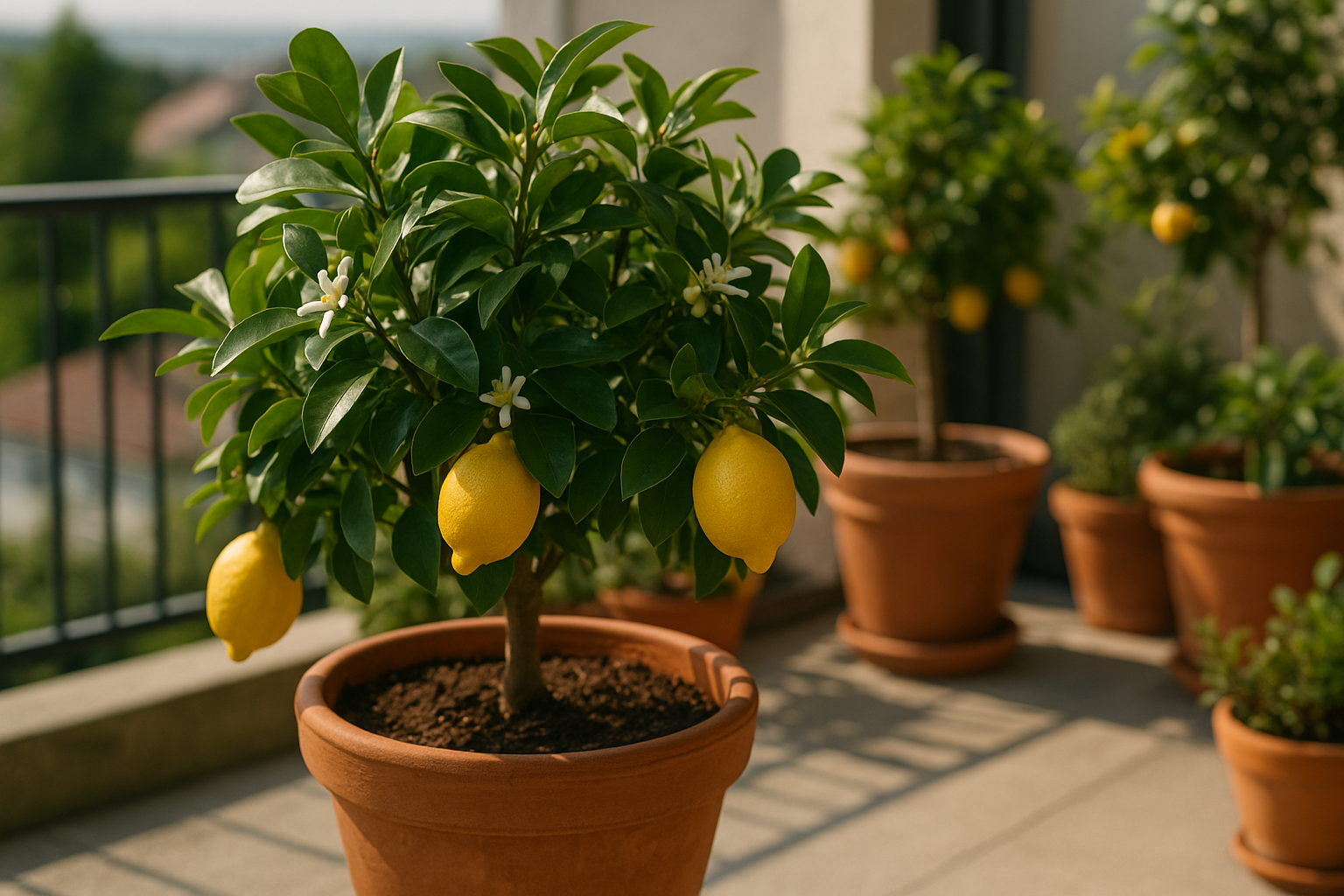
Perfect Lemons? Mastering Citrus Watering and Feeding Without Mistakes
Dreaming of mixing a mojito with your very own lemons, but your lemon tree looks miserable? Yellowing leaves, fruits dropping before they ripen, flowers refusing to bloom… In short, your little Mediterranean diva is throwing tantrums. And guess what? The problem isn’t always the sunshine or your gardening skills. Most of the time, it’s your watering can or fertilizer bag causing the drama.
The good news: with a bit of observation and the right routine, you can turn your balcony into a mini orchard worthy of the French Riviera.
Watering: Neither Olympic Pool Nor Desert
Why Citrus Are Drama Queens About Water
Citrus roots are touchy. Too much water, and they suffocate. Too little, and they immediately go on strike—drooping leaves, fallen flowers, aborted fruit. In short, they’ve perfected the art of mood swings.
Signs You Shouldn’t Ignore
- Leaves curling and dropping: your tree is screaming, “I’m thirsty!”
- Yellow leaves: more like, “I’m drowning!”
- Cracked fruit: the infamous “yo-yo effect” from alternating drought and flooding.
How to Get It Right
- In summer, a pot in full sun may need watering almost daily.
- In winter, slow down: once every 7–10 days is plenty.
- Golden rule: stick your finger in the soil. If it’s dry 2 cm down, water. If not, step away from the watering can.
Pro Tips (That Are Actually Easy)
- Always water at the base, not on the leaves (they’re not fans of showers).
- Use rainwater if possible—citrus hate hard, chalky tap water.
- Occasionally give the soil a deep soak to flush out excess mineral salts.
- Mulch the surface (straw, wood chips, clay pebbles) to keep moisture in.
Feeding: A Gourmet Menu for Your Citrus
Why Citrus Are Big Eaters
In pots, citrus don’t have much to dig into—the soil runs out of nutrients fast. Skip regular feeding, and you’ll end up with pale leaves and sad fruit.
The Star Nutrients (and Their Roles on Stage)
- Nitrogen: the leaf coach. Too little = chlorophyll slump. Too much = jungle foliage, zero fruit.
- Phosphorus: the root-and-flower engineer.
- Potassium: the pastry chef—handles fruit size, color, and flavor.
- Magnesium and iron: the makeup artists, keeping foliage bright green.
Homemade vs. Store-Bought Fertilizer
- Homemade: compost, coffee grounds, banana peels, wood ash (sparingly). Eco-friendly and very “DIY balcony gardener.”
- Store-bought: “citrus-specific” fertilizers do the heavy lifting for you. Available in liquid, granule, or stick form—pick what makes life easiest.
Timing Matters
- From March to September, it’s feast season.
- Every 15–20 days with a liquid feed works wonders.
- Winter = fasting. Don’t feed a tree that’s napping.
When Your Citrus Sends an SOS
Common Symptoms
- Pale leaves: nitrogen deficiency.
- Small, acidic fruit: potassium deficiency.
- Leaves yellowing but veins stay green: iron deficiency.
- Blotches between veins: magnesium deficiency.
When You’ve Overdone It
Yes, too much fertilizer is a thing. It can block other nutrients from being absorbed. Example: overload on potassium, and magnesium gets shut out—leaving your tree sulking despite your good intentions.
Quick Fixes
- Over-fertilized? Give the soil a thorough flush with water.
- Deficiency? Use a complete NPK fertilizer with micronutrients.
- Need fast action? Foliar sprays act like an IV drip.
- Long-term neglect? Repot into fresh soil and start anew.
Conclusion
Growing citrus in pots isn’t rocket science. Think balance: not too much water, not too much fertilizer. Watch the leaves (they’re more revealing than a horoscope), and adjust with the seasons and your climate.
With steady care and a dash of love, you’ll soon have fragrant blossoms, lemons perfect for cocktails, and oranges worthy of a Provençal market. In short: no more citrus tantrums—except maybe their eternal craving for sunshine. 🍋☀️