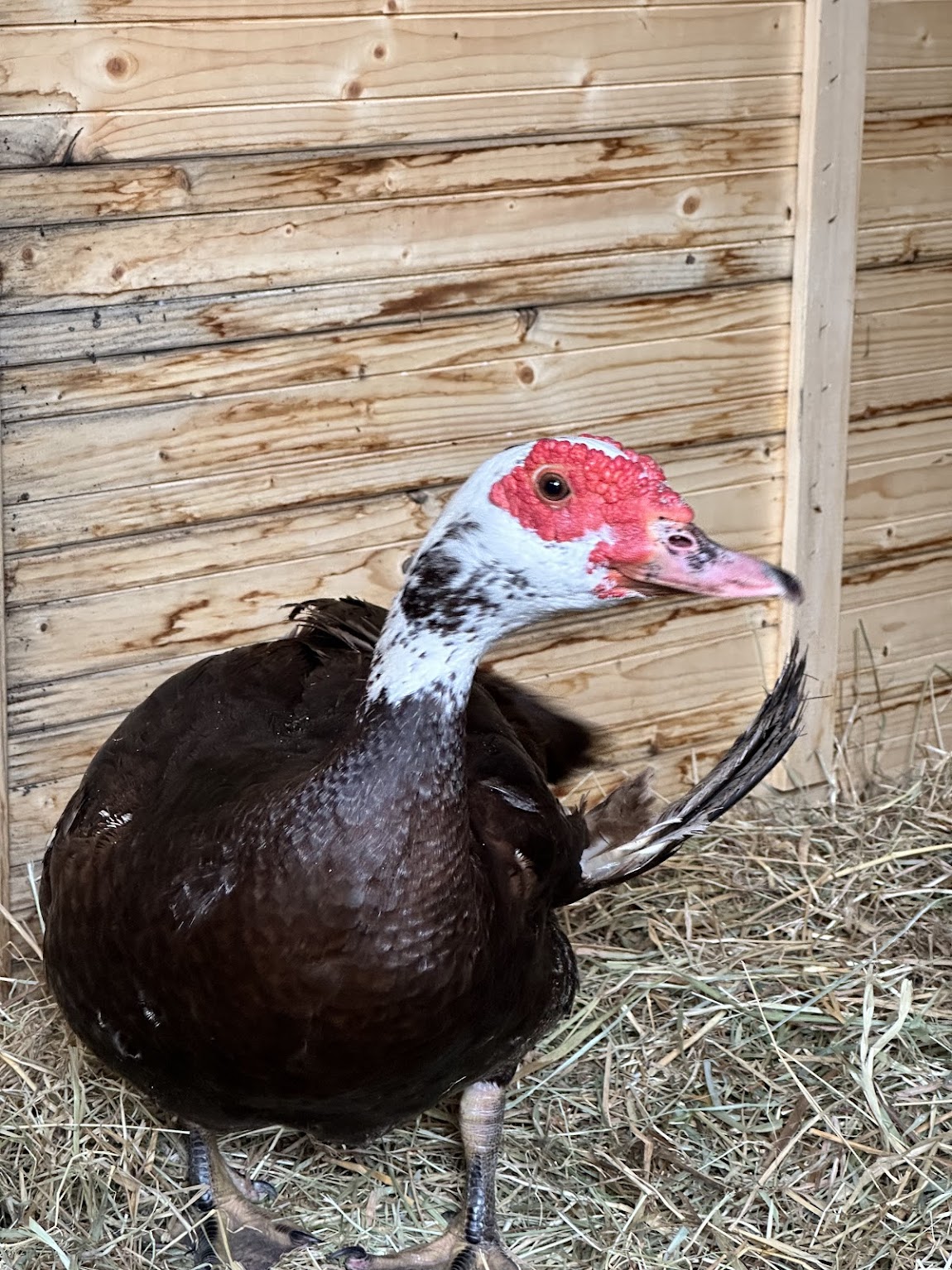
Mistakes to Avoid When Starting Out with Muscovy Ducks
Muscovy ducks (or “Barbary ducks,” for those in the know) are having a moment—and it’s easy to see why. Quiet, elegant, hardy, they add real charm to any backyard flock. Many beginners think: “Let’s just get two ducks and see how it goes!”
Big mistake. These waterfowl may be tough and easygoing, but they don’t appreciate having their comfort improvised. Beginners often make blunders that cause stress—for both the ducks and their keeper. Let’s look at the most common pitfalls to avoid so your Muscovies thrive and you fully enjoy the experience.
Mistake #1 – Misjudging Space Requirements
Minimum Shelter Space
A classic misstep: assuming Muscovies can squeeze into a makeshift hut “just for now.” Bad idea. These ducks like room—even indoors. Plan on 1 m² per bird inside the shelter. Not so they can salsa dance (though who knows…), but so they can rest without trampling each other.
A cramped shelter guarantees quarrels, flying feathers, and overall stress.
Enclosure Size and Setup
Outdoors, your ducks won’t be satisfied with a patch of grass the size of a doormat. They need at least 10 m² per bird, and more if possible. This is their gym, foraging ground, and fresh salad bar.
And remember: Muscovies can fly. Too little space, and they may decide to check out the neighbor’s vegetable patch. Awkward!
Mistake #2 – Neglecting Nutrition
Basic Nutritional Needs
“Ducks eat everything,” people say. True—but that doesn’t mean your compost bin belongs in their feeder. Their diet must be balanced:
- Grains (wheat, barley, cracked corn),
- Protein (insects, worms, legumes, fish scraps),
- Greens (fresh grass, vegetables, chopped nettles),
- Calcium (crushed oyster shells, dried eggshells).
Without protein, your ducks won’t grow properly. Without calcium, eggshells become fragile. Feeding isn’t just about filling their bellies—it’s about keeping them healthy.
Dangerous or Inappropriate Foods
Another beginner error: feeding too much bread. A little, soaked in water, is fine occasionally—but in excess, it’s a disaster.
Some foods are strictly off-limits:
- avocado (toxic),
- raw potatoes (solanine = poison),
- raw onion and garlic (irritating).
As for chips and leftover pizza? Keep those for yourself.
Mistake #3 – Underestimating Safety and Hygiene
Predator Protection
Many beginners learn the hard way that foxes aren’t fairy-tale villains—they’re real, and they love duck dinners. And let’s not forget martens, rats, and stray dogs.
To avoid turning your flock into a midnight buffet, make sure:
- fencing is buried at least 30 cm deep (goodbye, diggers),
- mesh is tight (no loopholes for weasels),
- the shelter is locked every evening (Muscovies can’t work door latches).
Water and Shelter Maintenance
Ah, water—ducks love it. But an uncleaned tub or pond quickly turns into murky “bacteria soup.” Change it regularly, and your ducks will reward you with shiny feathers.
The shelter also needs upkeep: fresh straw weekly, floor cleaning, occasional disinfection. A damp, dirty floor is a direct invitation to disease.
Pro tip: a slightly sloped concrete floor with drainage makes cleaning much easier. Your knees and back will thank you.
Conclusion
Keeping Muscovy ducks is a real joy. But to avoid turning the experience into a headache, remember these three lessons:
- Give them space: a comfortable shelter and a generous enclosure.
- Feed them properly: varied, balanced, and not just anything.
- Protect and keep clean: safety from predators and top-notch hygiene.
With these basics, your Muscovies will grow happy and healthy—and reward you with eggs, companionship, and that comical waddle that can make even the grumpiest onlooker smile.