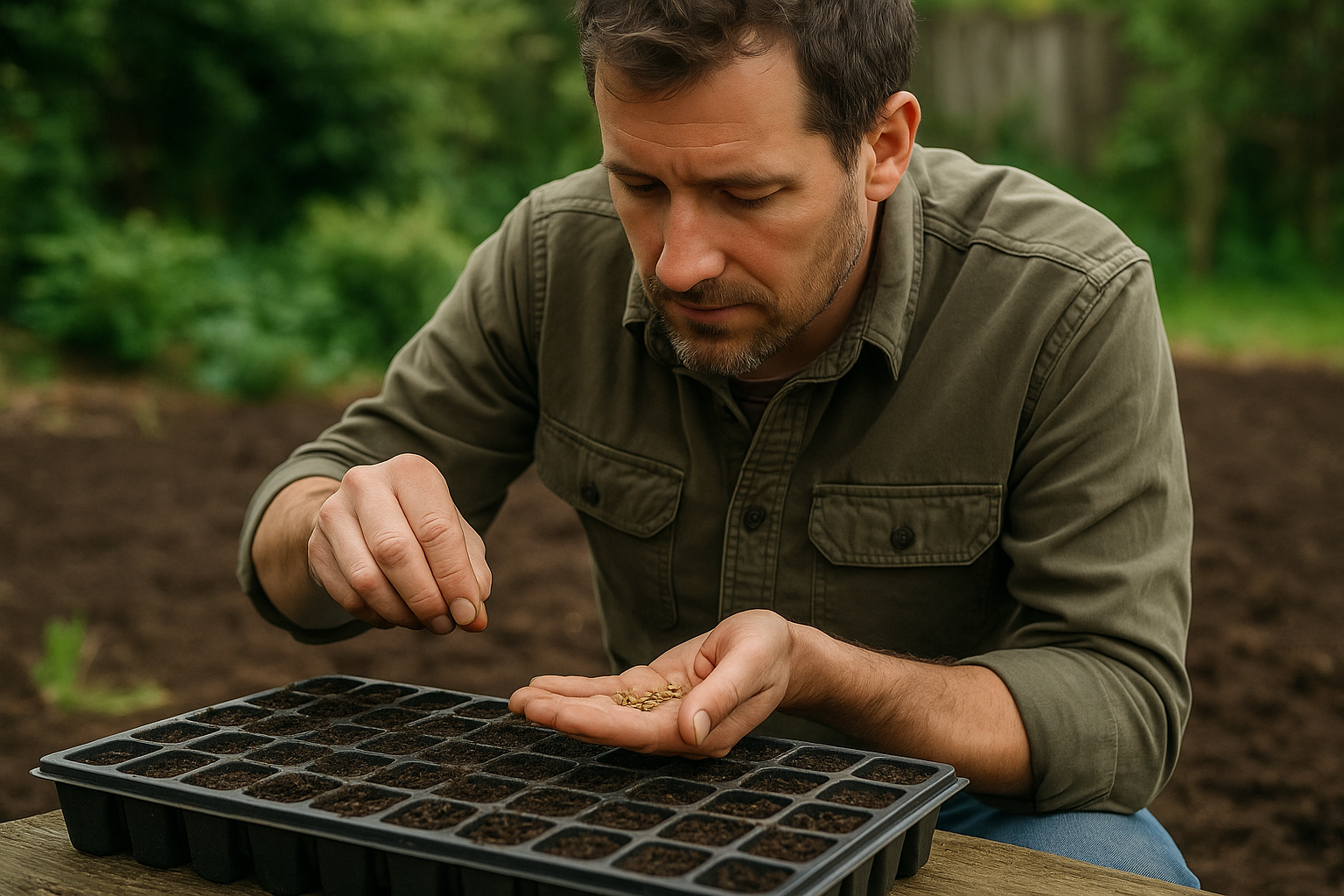
Vegetable Garden Sowing Calendar: Month by Month, What to Plant and When
Let’s be honest: who hasn’t tried sowing tomatoes in February, only to end up with seedlings looking as depressed as a sunflower in the rain? Don’t worry—it’s not your fault. In gardening, timing is everything. Too early, and your plants shiver. Too late, and they collapse in the heat.
Thankfully, there’s a magical tool: the sowing and planting calendar. No, it’s not the Prime Minister’s agenda—but almost. It tells you what to sow, when, month by month, so you can avoid rookie mistakes and turn your garden into a generous pantry. And here’s the good news: you don’t need an agronomy degree. Just a bit of organization, some observation… and a pinch of humor to deal with slugs.
The Basics Before You Begin
Seasons and Climate Matter
Think of the vegetable garden like a Netflix series: each season has its own vibe.
- Spring: the launch. Everyone’s excited, seeds go in the ground, and we’re already dreaming of XXL salads.
- Summer: blockbuster season. Tomatoes blush, zucchinis multiply like rabbits, and you wonder if your neighbors really want another basket.
- Autumn: the calmer but crucial episode. Time to prep for what’s next, tidy up the set, and tuck the soil in with a blanket.
- Winter: the “cocooning special.” The garden sleeps, while the gardener secretly plots next season’s stars.
⚠️ Keep in mind: this calendar is a guide, not gospel. A garden in Brittany doesn’t march to the same beat as one in the Alps. Always check your local weather.
Sowing Under Cover vs. Direct in the Ground
- Under cover: your seeds enjoy VIP treatment—warm, cozy, safe from the cold. The payoff? A head start on the season. The catch? You’ll need to monitor heat and water (seeds don’t like saunas).
- Direct sowing: the “roots” version. Nature calls the shots. It’s easier, but beware of cold snaps and slug buffets (they never miss a party).
👉 Friendly tip: start small. Better to master three veggies than to turn your balcony into an uncontrollable Amazon jungle.
Month-by-Month Allies in the Garden
January to March – Prep and Anticipation
January: While most people hibernate, you can already dream of juicy tomatoes. In practice:
- Sow eggplants, tomatoes, and peppers (but only indoors with grow lights or in a heated greenhouse).
- Try a few lettuces and carrots under cloches for the impatient.
- And most importantly: sort your seeds, sketch a garden plan by the fire (yes, that counts as gardening!).
February: Things start moving.
- Leeks, lettuce, celery, and cauliflower under cover.
- Set potatoes to sprout (always a hit with kids… and guests).
- Start herbs: parsley, chives, coriander.
March: Now it really kicks off!
- In the ground: carrots, turnips, radishes, peas, spinach.
- Under cover: tomatoes, zucchinis, melons (eager beavers, we see you).
- March is when the veggie patch wakes from its winter coma.
April to June – The Big Planting Rush
April: Careful—don’t rush everything outside just yet! The Ice Saints (May 11, 12, 13) are tradition’s reminder: sow before then, and you’re flipping a coin with frost.
- Safe bets: potatoes, carrots, lettuce, beets, radishes, peas.
- Still waiting for warmth: tomatoes, eggplants, peppers.
May: Finally—time for the stars! Plant tomatoes, zucchinis, cucumbers, peppers, eggplants, melons… the garden bursts with life.
- Also sow: beans, corn, squash.
- Add herbs: basil, dill, chives.
June: Harvests begin (lettuce, radishes, strawberries) but sowing continues:
- Fennel, green beans, chicory, beets.
- Some cabbages and endives for fall.
In June, the gardener is basically a juggler: harvesting, planting, weeding, watering… and somehow still squeezing in a drink on the terrace.
July to September – Maintaining, Harvesting, and Planning Ahead
July: You have too many zucchinis. Way too many. Normal.
- Sow: chicory, winter carrots, beans, fall radishes.
- Harvest: tomatoes, zucchinis, eggplants, potatoes.
August: The month of “too much of everything.”
- Harvest galore: tomatoes, melons, peppers, eggplants.
- Prep for fall: sow lamb’s lettuce, turnips, spinach.
September: Transition time.
- Plant strawberries (your taste buds will thank you next year).
- Still sowing: lamb’s lettuce, radishes, spinach.
- Harvest: squash, last tomatoes, potatoes.
September is when your arms are loaded with veggies and your head buzzing with new ideas.
October to December – Tidy, Protect, and Plan
October: Shorter days, but gardeners stay busy.
- Plant: garlic, shallots, onions.
- Sow: fava beans, peas.
- Above all: mulch generously—like tucking your soil in with a blanket.
November: The in-between month.
- Continue planting garlic.
- Enrich soil with compost (yes, soil loves vitamins too).
- Tidy up, pamper your patch, and dream of spring.
December: Pause, hot tea, and… maybe a few sowings under cover (lamb’s lettuce, cress, spinach) for diehards.
- Mostly, it’s seed-sorting, garden planning, and making the annual promise not to plant 10 zucchini plants this time (a promise rarely kept).
Practical Tips for Using (and Adapting) the Calendar
Observe Before Acting
Calendars are helpful, but your eyes are your best tools. Watch for:
- Weather (a late frost can wipe out weeks of work).
- Soil temperature (a soil thermometer costs next to nothing).
- Plant signals (trust me, they know how to complain).
Tools to Keep You on Track
- A garden journal (always works, even without Wi-Fi).
- A gardening app if you’re tech-savvy.
- A big wall chart if you like seeing the whole season at a glance.
Flexibility Is Key
Gardens aren’t factories. If the climate surprises you, adapt. Rainy spring? Wait it out. Mild autumn? Extend your sowings. Follow the calendar—but with a smile.
Conclusion
The sowing calendar is like a recipe: it gives you the basics, but every gardener adds their own twist. Sometimes it leads to a dream harvest. Sometimes it means zucchini soup for the entire neighborhood. That’s the magic of gardening.
The most important ingredient? Joy. Sow, plant, watch, fail a little, succeed a lot, share… A garden is a school of patience, appetite, and good humor.
So grab those seed packets, keep this calendar handy, and above all—enjoy yourself. The soil is waiting for your hands… and your laughter.